
Why a Qualified Electrician Is Non-Negotiable: Electrical in Costa Rica Homes
I have looked at a lot of at residential electrical in Costa Rica—both new builds and existing homes. The same problems keep showing up: poor grounding, undersized conductors, wires twisted and taped together in conduit, appliances without surge protection, and circuits buried in concrete with no way to pull new wire later. Costa Rica follows the NEC (currently the 2020 version), and surge protective devices (SPDs) are now required on residential services in many cases. Enforcement is uneven, so the quality of the work depends almost entirely on who you hire and how closely you watch the job.

Get a Qualified Electrician Involved Early—Architects and General Contractors Have Different Priorities
Architects design the space. General contractors manage schedule and budget. Neither one loses sleep over whether your panel has spare capacity or whether every outlet and data point is in conduit. An independent electrician or electrical engineer who answers to you should review or produce the electrical plans before construction starts. They will size the service properly, specify proper grounding and bonding, call for SPDs, locate GFCIs where required, and—most importantly—design the raceway system so the house is serviceable for the next 30 years.
Skipping this step is how you end up with a beautiful house that becomes expensive to change the first time you want to add an EV charger, upgrade the panel, or run new data cable.
Buying an Existing Home: Pay for a Dedicated Electrical Inspection
A general home inspection is not enough. Hire a qualified electrician for a focused electrical review before you close. Expect to pay roughly $150–$400 USD depending on the size of the house and how thorough the inspection is (some basic diagnostic visits in the Central Valley start lower, around ₡20,000–₡35,000, but a proper pre-purchase inspection with testing and a written report costs more).
They should open the main panel, check grounding electrode resistance if possible, verify polarity and GFCI function, look for double-tapped breakers, undersized wire, corrosion, and the absence of surge protection. In coastal or high-humidity areas the corrosion problem is real. Because most wiring here ends up cast into concrete or block, fixing major deficiencies after purchase often means cutting walls or running surface conduit. That turns a $300 inspection into a multi-thousand-dollar problem if you miss it.
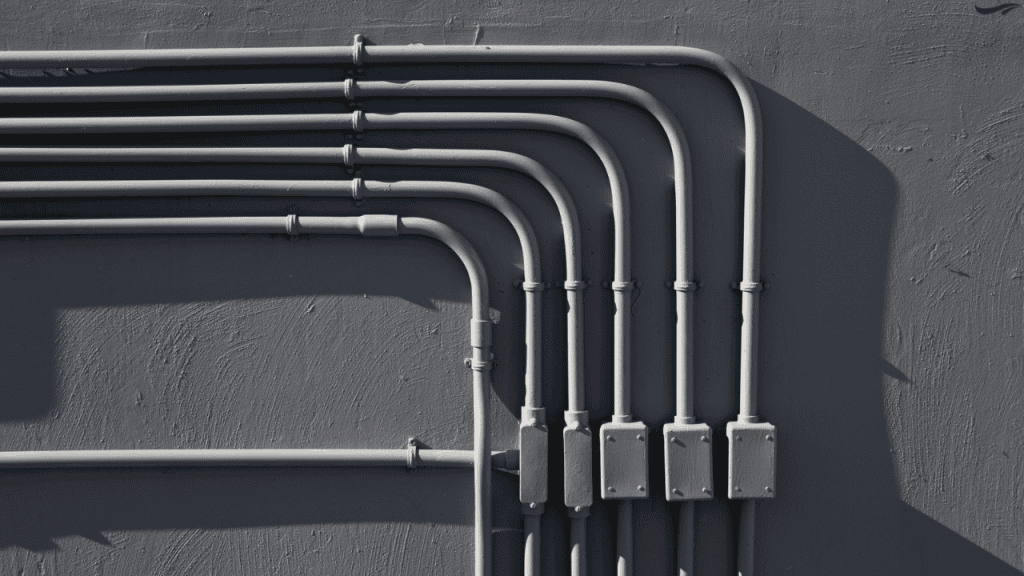
Building New: Staged Inspections and Conduit Are Non-Negotiable
Require inspections at three points minimum:
- Rough-in (before walls or slabs close) — conduit routes, box locations, grounding continuity.
- After service and panel installation — proper service entrance, SPD, grounding, labeling.
- Final — full circuit testing before the utility connects power.
Conduit is the single best money-saving decision you will make. Specify that every power outlet, switch, lighting point, and data/telecom location is installed in conduit with accessible pull points. In Costa Rica, walls are usually solid. Without conduit in the ceiling adding or replacing a circuit later means demolition. With conduit already in place, the same work is a fraction of the cost and mess. The extra material and labor during construction is modest compared with the alternative.
Also oversize the main panel and leave spare raceways to the roof or exterior for future solar and possible battery storage. That prep work is cheap now and expensive later.
Plan for Solar Even If You Can’t Afford the Full System Yet
A complete residential solar installation currently runs roughly $5,500–$14,000+ USD for typical 3–8 kW systems (equipment + labor + interconnection), depending on size, roof complexity, and whether batteries are included. If the budget doesn’t allow it at construction time, still install the conduit pathways, leave panel space, and design the grounding so a future system can be added cleanly. “Solar-ready” infrastructure costs a small fraction of a full system and keeps your options open as rates and incentives continue to evolve under the distributed generation rules.
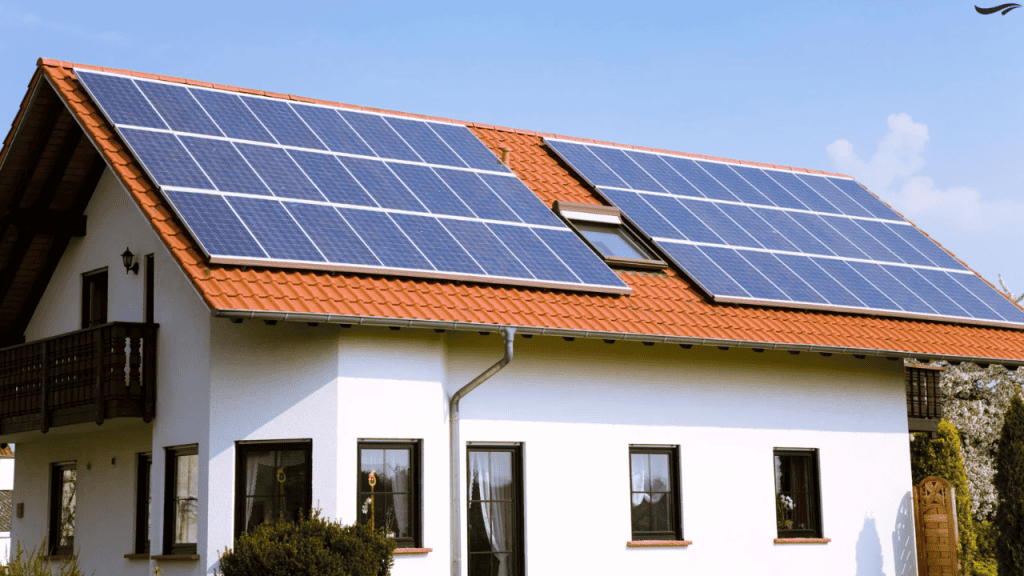
You Get Exactly What You Pay For
Cheap electrical bids almost always mean shortcuts—undersized wire, no proper grounding, missing SPDs, or work by people who are not properly qualified. In a country with frequent thunderstorms and high humidity, those shortcuts create real fire and equipment-damage risk. I’ve seen the aftermath too many times.
Get detailed written quotes that specify materials, conduit, surge protection, and warranty. Ask for credentials. Paying a fair rate for competent work is cheaper than tearing into finished walls two years later or replacing damaged appliances after a surge.
Do the electrical right once—proper planning, conduit everywhere, staged inspections, and quality installation—and the system will serve the house safely and flexibly for decades. Cut corners here and you will pay for it repeatedly.